
When you spend your life studying a disease, you think you know how it works. You believe you’re prepared. But what happens when that disease invades your own life, transforming every daily task into an ordeal? The story of Dr. Allison Cohen reveals a reality as disturbing as it is unjust.
The paradox of a doctor turned patient.
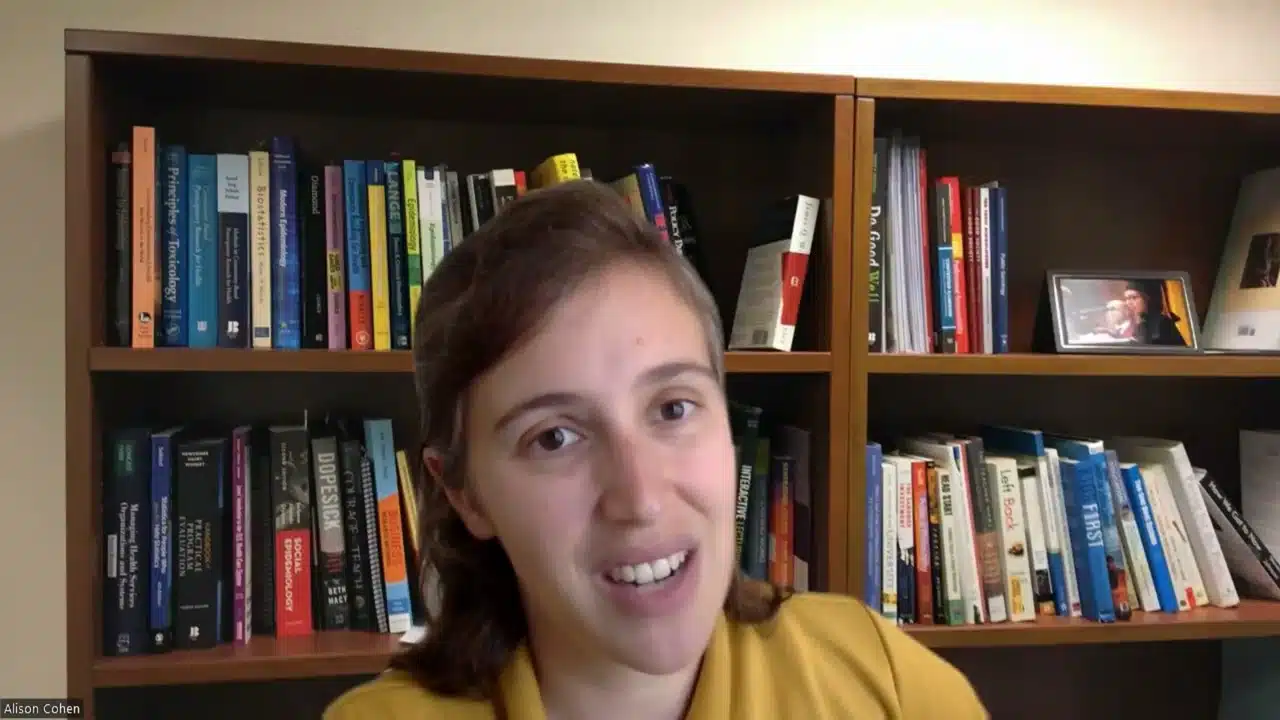
An epidemiologist at the University of California, San Francisco, Dr. Cohen was one of the first specialists to study the effects of long Covid. Since 2021, she has been publishing extensively, giving lectures, and conducting research on this complex phenomenon that persists in some patients long after the initial infection.
But three years later, she is no longer just a researcher. She is also affected.
“Even a car ride makes me sick. I’m constantly forced to choose between working, going out, or simply doing laundry.”
For this expert, the illness has become an invisible prison:
Fewer valid hours in a day, more leeway for the unexpected.
When the body says stop
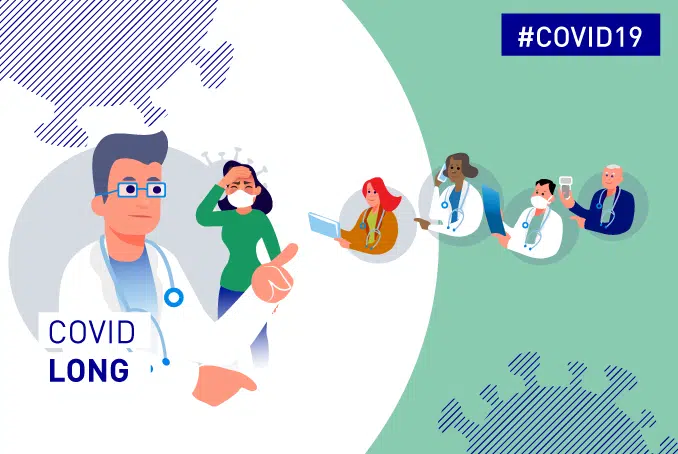
Long Covid manifests itself in many ways, but the most common symptom is chronic fatigue. Extreme fatigue, far exceeding a simple “slump.” Dr. Cohen describes it as “exhaustion to the bone… even after a good night’s sleep.”
Add to that dizziness, persistent brain fog, memory or speech problems… And every task becomes a challenge.
According to a Yale University study, about half of people with long Covid also meet the criteria for chronic fatigue syndrome, a poorly understood, often underestimated disorder.
Repercussions on social and professional life

Long Covid doesn’t just affect health. It also impacts careers, social connections, and emotional well-being. Dr. Cohen, like one in ten people in the United States affected by this condition, has had to drastically reduce his professional activity.
Many patients thus find themselves juggling lost income, medical bills, and isolation. Some have to choose between paying their rent and seeing a doctor.
Meanwhile, research is stagnating, hampered by a growing lack of public interest and declining funding.
Very real effects on the heart, lungs… and brain
Contrary to popular belief, the after-effects of long Covid are not “all in your head”. They leave lasting marks on the body:
Pulmonary fibrosis that makes breathing difficult;
chronic inflammation of the heart;
POTS syndrome (postural orthostatic tachycardia), where the heart races with the slightest change in position;
and above all, a weakened immune system, which makes common infections much riskier.
Dr. Cohen insists: “This is not laziness. It is not psychosomatic. It is a real, multisystemic disease, still too little known.”
Hope? A lead, but not yet a cure.
Dr. Cohen is participating in clinical trials of promising treatments like Paxlovid. The results are encouraging, but remain limited. Of the 13 patients tested, only 5 experienced temporary improvement.
“We are five years into the pandemic. And there is still no officially approved treatment for long Covid.”
The fight continues, but the road ahead is long. In the meantime, to avoid relapses, she remains extremely vigilant, even going so far as to avoid public places. Wearing a mask is not a choice for her, but a vital necessity.
A call for listening and recognition.
Today, millions of people are living with persistent symptoms related to Covid-19. They don’t always have a clear diagnosis, nor treatment. And even less recognition.
Dr. Cohen’s story reminds us that one can be both doctor and victim. That one can know everything about a disease… without ever being safe from it.
Do you or someone you know is living with long Covid?
Share this story to break the silence surrounding this still-taboo illness.


0 commentaires:
Enregistrer un commentaire