free web stats

dimanche 21 décembre 2025

I Had No Clue About This! My Nana’s Genius Trick for Unfreezing Frozen Car Door Locks

by


Winter can be magical — snowflakes, cozy sweaters, hot cocoa — but it also comes with its share of headaches. One of the worst? Discovering your car door lock is frozen solid on a freezing morning. You’re already running late, your coffee’s going cold, and your key won’t budge.


Fortunately, my Nana has a trick that she’s used for years, and it’s so simple you’ll wonder why everyone doesn’t do it. Best of all, it takes almost zero effort and uses something you probably already have in your bag or glove box.


Why Car Door Locks Freeze

Car door locks freeze when moisture gets inside the mechanism and temperatures drop below freezing. The trapped water turns to ice, effectively sealing the lock shut.


This moisture can come from rain, snow, sleet — or even condensation on a humid day followed by an overnight freeze. Understanding how it happens helps you take smarter preventive steps next time.


Common (But Flawed) Fixes People Try

Most of us reach for whatever seems quickest:


De-icer spray – Works, but only if you have it on hand.


Heating your key with a lighter – Risky, especially for your fingers and your car’s finish.


Pouring warm water over the lock – Effective for a minute… until it refreezes almost immediately.


These methods can work in a pinch, but they’re not always safe, practical, or damage-free.


Nana’s Effortless Trick (That Actually Works)

Here’s the secret: hand sanitizer.


Yes — that little bottle in your purse or console can save the day. Hand sanitizer contains alcohol, which lowers the freezing point of water and melts ice fast.


Nana swears by it, and after testing it myself during a brutal Midwest winter, I’m a believer too.


How to Unfreeze a Car Lock with Hand Sanitizer

Apply a dab of hand sanitizer to your car key.


Insert the key into the frozen lock.


Gently wiggle it back and forth — the alcohol will work its way inside.


Wait a few seconds, then turn the key slowly.


You’ll feel the ice give way as the mechanism frees up. The whole process usually takes under 30 seconds.


Why This Trick Is Practically Effortless

You already have hand sanitizer (especially in cold/flu season).


No special tools, heating devices, or sprays required.


Works almost instantly — perfect for frosty mornings when you’re in a rush.


It’s fast, portable, and doesn’t leave residue or moisture behind.


Safety Notes & Precautions

Avoid contact with car paint. Prolonged exposure to alcohol can dull the finish.


Be gentle when wiggling your key to prevent bending or breaking it.


Don’t use open flames (like lighters) around alcohol-based products.


How It Compares to Other Methods

Method Pros Cons

Hand sanitizer Fast, safe, convenient May dull paint if overused

De-icer spray Designed for locks Requires prior purchase

Heated key Works if careful Risk of burns or damage

Warm water Quick fix Refreezes quickly

Hand sanitizer wins for its balance of speed, accessibility, and simplicity.


Real-Life Success Stories

You’re not the only one Nana’s trick has helped. Many drivers who’ve tried this method report the same:


“I didn’t think it would work, but my frozen lock opened in seconds!”

“It saved me on a -10°F morning when my de-icer ran out.”


Sometimes, the simplest hacks really are the most reliable.


Conclusion: Simple Solutions for Icy Problems

In a world full of complex fixes, Nana’s hand sanitizer trick is a reminder that the best solutions are often the simplest.


So the next time you’re faced with a stubborn frozen lock, skip the stress — grab your hand sanitizer, and you’ll be on your way before the car even finishes warming up.


Stay warm, stay smart, and give Nana’s old-school wisdom a try this winter.


Uncategorized


These are the consequences of sleeping with the…See more

by


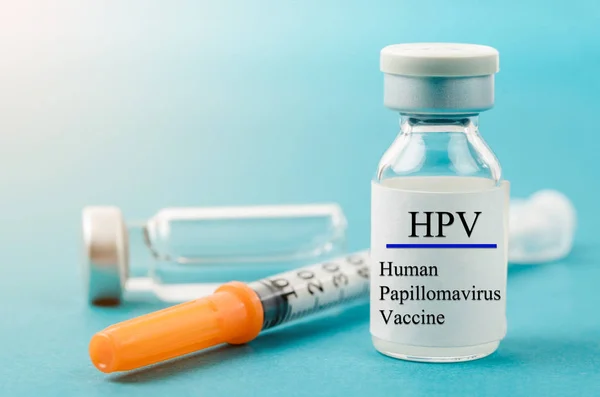
In recent years, health experts have emphasized the importance of awareness around human papillomavirus (HPV). It is one of the most common viral infections worldwide, affecting both men and women. Yet, conversations often focus only on women’s health, overlooking the fact that men, too, are impacted by HPV and its potential long-term consequences.

HPV is often referred to as a “silent” virus. Most people do not realize they have it because symptoms rarely appear. However, its presence can still cause health issues later in life. By increasing awareness, encouraging vaccination, and practicing preventive measures, men can significantly reduce their risks while also protecting their partners.

This article takes a closer look at what HPV is, how it spreads, why it matters for men, and the proactive steps that every individual can take to safeguard their health.

What Is HPV?

HPV stands for human papillomavirus, a group of more than 200 related viruses. Some types are considered low-risk and may cause mild skin issues, while others are classified as high-risk and are linked to certain cancers.

The Centers for Disease Control and Prevention (CDC) estimates that almost every sexually active person will be exposed to HPV at some point in life. While the body’s immune system often clears the infection naturally within one to two years, persistent strains can lead to more serious health outcomes.

Frontiers | The necessity and challenges of human papillomavirus testing for men

Why Men Should Be Concerned


For men, HPV has been connected to:

  • Throat and mouth conditions, caused by specific high-risk strains.

  • Skin growths that can appear in sensitive areas.

  • Increased cancer risk in rare cases, particularly anal or oropharyngeal cancers.

The fact that HPV is so widespread makes it not only a personal health issue but also a public health priority.

How HPV Spreads

One of the reasons HPV is so common is because it spreads easily through close skin-to-skin contact. Unlike some other infections, HPV does not require the exchange of bodily fluids to transmit. Even when no visible symptoms are present, the virus can still pass from one person to another.

This silent nature makes HPV difficult to track and prevent without proactive measures. Many people may not realize they carry the virus until years later, when related health problems arise.

The Link Between Lifestyle and HPV Risk

While HPV can affect anyone, research suggests that risk factors increase with greater exposure. Individuals with multiple close relationships over time are statistically more likely to encounter someone carrying a high-risk strain.

A study published in the journal Sexually Transmitted Diseases found a clear correlation between the number of partners reported and the likelihood of HPV exposure. However, it’s crucial to emphasize: even one relationship can result in exposure.

The more often the body encounters different strains, the harder it becomes for the immune system to eliminate them, which increases the chance of long-term persistence.

Symptoms and Potential Health Risks in Men

HPV is often symptomless, which is why regular health awareness is critical. When symptoms do occur, they may include:

  • Small skin growths in sensitive areas.

  • Respiratory papillomatosis, a rare condition where growths develop in the airways.

  • Oropharyngeal cancers, which affect the throat, tongue, or tonsils.

Most infections do not develop into serious illnesses. Still, because high-risk strains can cause severe health consequences, prevention and monitoring remain important.

The Emotional Side of HPV

Beyond physical symptoms, HPV can also carry an emotional toll. Men who test positive may feel anxiety, confusion, or shame. These feelings are often rooted in stigma and misinformation.

Why Emotional Awareness Matters

  • Reducing stigma: Understanding that HPV is extremely common helps remove unnecessary shame.

  • Encouraging openness: Talking about health status with partners promotes trust and shared responsibility.

  • Supporting mental health: Education and counseling can help individuals cope with the diagnosis without panic.

Prevention Strategies for Men

Hpv Stock Photos, Royalty Free Hpv Images | Depositphotos

1. Vaccination

Perhaps the most effective tool against HPV is vaccination. Vaccines like Gardasil 9 protect against the strains most commonly linked to cancers and other complications.

  • Recommended age: Health authorities advise vaccination beginning at ages 11–12.

  • Catch-up vaccination: Men up to age 45 can still benefit, especially if they have not previously been exposed to certain strains.

  • Effectiveness: The vaccine has been proven safe and highly effective in preventing both low-risk and high-risk types of HPV.

2. Practicing Safer Behaviors

Using protection during close contact significantly reduces the likelihood of transmission, though it does not guarantee complete protection. This is because HPV can spread through areas not covered.

3. Regular Health Checkups

There is currently no routine test for HPV in men. However, doctors can detect visible symptoms and offer screenings for other related conditions. Staying consistent with checkups ensures early detection if problems arise.

4. Strengthening the Immune System

A healthy immune system is often able to clear HPV naturally. Maintaining good nutrition, exercising regularly, managing stress, and avoiding smoking all contribute to a stronger immune response.

5. Honest Communication

Discussing personal health openly with partners helps set expectations and builds mutual responsibility. Clear communication reduces stigma and helps everyone involved make informed decisions.

Common Myths About HPV
Top 6 HPV Vaccination Myths - Debunked. | HPV | Blogs | Proactive For Her

Myth 1: HPV only affects women.
Truth: Men can also experience HPV-related health problems and play an equal role in prevention.

Myth 2: If I don’t see symptoms, I don’t have it.
Truth: Many infections are symptomless, but the virus can still be present and transmissible.

Myth 3: Only people with “risky” lifestyles get HPV.
Truth: HPV is so common that nearly everyone will encounter it at some point, regardless of lifestyle.

Myth 4: Vaccines are unnecessary for men.
Truth: Vaccination benefits both men and women, lowering the overall circulation of the virus.

FAQs About HPV in Men
Q1: Can men be tested for HPV?
Currently, there is no widely available HPV screening test for men. Doctors rely on visual checks and related cancer screenings.

Q2: Does HPV always cause cancer?
No. Most infections clear naturally and never lead to cancer. Only persistent high-risk strains pose a concern.

Q3: If vaccinated, am I completely protected?
The vaccine covers the most common harmful strains but not every single type. Vaccinated individuals should still maintain healthy practices.

Q4: How long does HPV stay in the body?
For many, the immune system clears HPV within 1–2 years. Some infections, however, may persist longer and require medical attention.

Q5: Can HPV return after clearing?
Reinfection is possible, especially if exposed to new strains. Vaccination helps reduce this risk.

Long-Term Outlook: Living With HPV
The encouraging news is that most HPV infections do not cause lasting harm. With proactive care—vaccination, safer practices, and regular medical checkups—men can significantly lower their risks.

Living with HPV awareness does not mean living in fear. Instead, it means staying informed, making preventive choices, and supporting broader public health efforts to reduce transmission.

Final Thoughts
HPV is one of the most common viruses worldwide, and men play a vital role in prevention. By staying proactive—through vaccination, regular health monitoring, and open communication—men not only protect themselves but also contribute to healthier communities.

Awareness, education, and prevention are the most powerful tools in the fight against HPV. By treating it as a public health conversation rather than a taboo topic, society can reduce stigma and encourage responsible choices.

In the end, HPV does not have to disrupt health or relationships. With the right knowledge and steps, it is a challenge that can be managed, controlled, and largely prevented.


Sugar Snails

by


If you’ve never heard of Sugar Snails (Sockerdrömmar or “sugar dreams” in Sweden), prepare for a delightful discovery. These aren’t your average cinnamon rolls—they’re elegant, spiral-shaped pastries made with a tender, buttery yeast dough, filled with cinnamon-sugar, and finished with a generous dusting of pearl sugar that glistens like morning frost.


Originating in Scandinavian bakeries, Sugar Snails are a staple of Swedish fika (coffee break) culture—soft yet flaky, delicately spiced, and just sweet enough to pair perfectly with a steaming cup of coffee. And while they look like they came from a professional patisserie, they’re surprisingly doable at home with a little patience and a love for buttery dough.


Why Sugar Snails Are Worth the (Modest) Effort

🇸🇪 Authentic Swedish fika favorite—a taste of Nordic tradition

🧈 Buttery, tender yeast dough that’s soft inside, slightly crisp outside

🌟 Pearl sugar topping that doesn’t melt—adding sparkle and crunch

🍂 Cinnamon-sugar swirl that’s fragrant but not overpowering

☕ Perfect with coffee—sweet, comforting, and not too rich

If you love pastries that feel special without being fussy, these are your new weekend baking project.


Ingredients You’ll Need*


(Makes 12–14 snails)

For the Dough:
3½ cups (440g) all-purpose flour, plus more for dusting
¼ cup (50g) granulated sugar
1 tsp salt
2¼ tsp (1 packet) active dry yeast
¾ cup (180ml) whole milk, warmed to 110°F (43°C)
¼ cup (60g) unsalted butter, melted and cooled
1 large egg, room temperature
For the Filling:
¼ cup (½ stick / 57g) unsalted butter, softened
½ cup (100g) granulated sugar
1½ tbsp ground cinnamon
Optional: 1 tbsp brown sugar for depth
For Topping:
¼–½ cup pearl sugar (also called nib sugar or hagel—not regular sugar!)
💡 Pro Tips:

Pearl sugar is essential—it won’t melt in the oven, giving that signature crunch. Find it in Scandinavian markets, IKEA, or online.
Don’t skip the egg wash—it gives a golden shine and helps pearl sugar stick.
Let dough rise in a warm spot (like an oven with the light on).
Step-by-Step Instructions (Worth Every Minute)
1. Make the Dough
In a large bowl, combine warm milk, sugar, and yeast. Let sit 5–10 minutes until foamy.
Whisk in melted butter and egg.
Gradually add flour and salt, mixing until a soft dough forms.
Knead by hand or mixer (with dough hook) for 5–7 minutes until smooth and elastic.
Place in a greased bowl, cover, and let rise 1–1.5 hours until doubled.
2. Roll & Fill
Punch down dough. On a floured surface, roll into a 12×16-inch rectangle.
Spread softened butter evenly over the surface.
Mix sugar and cinnamon, then sprinkle evenly over the butter.
Starting at the long end, roll tightly into a log. Pinch seam to seal.
3. Cut & Shape
Cut log into 12–14 even slices (about 1¼ inches thick).
Gently stretch each slice into a spiral or “snail” shape (optional but traditional).
Place on a parchment-lined baking sheet, 2 inches apart.
4. Second Rise & Bake
Cover and let rise 30–45 minutes until puffy.
Preheat oven to 375°F (190°C).
Brush tops with egg wash (1 egg + 1 tbsp water).
Press pearl sugar firmly onto the top of each snail.
Bake 15–18 minutes, until golden and fragrant.
5. Cool Slightly & Enjoy
Cool on a wire rack 10 minutes.
Serve warm with coffee or tea.
Serving & Storage Tips
Best served the same day—fresh and soft!
Store in an airtight container at room temp for 2 days, or freeze for 1 month.
Reheat in a 300°F oven for 5 minutes to restore warmth and crispness.
Frequently Asked Questions
Q: What if I can’t find pearl sugar?
A: You can use coarse sanding sugar or crushed sugar cubes—but pearl sugar is traditional and gives the right crunch without melting.

Q: Can I make these ahead?
A: Yes! Shape, cover, and refrigerate overnight. Bring to room temp 30 mins before baking.

Q: Are these like cinnamon rolls?
A: Similar, but lighter, less sweet, and topped with pearl sugar instead of icing—very Swedish!

Q: Can I make them gluten-free?
A: Use a GF yeast dough blend, but texture will differ slightly.

A Taste of Scandinavian Comfort
Sugar Snails aren’t just pastries—they’re an invitation to slow down, savor, and connect. In Sweden, they’re never rushed; they’re shared over conversation, laughter, and good coffee.

So take your time, roll that dough, and sprinkle with pearl sugar like snow. Because some of the sweetest moments in life happen over a warm, buttery snail and a quiet cup of coffee.

Have you tried Swedish pastries before? Do you shape your snails in spirals or keep them round?
Share your baking adventure in the comments! And if this recipe brought a little Nordic joy to your kitchen, pass it on to someone who believes in the magic of fika. 🇸🇪🐌✨

This is what can happen when you sleep with a… See more…

by


Over time, skin loses thickness and sags. These signs of sagging are visible on the face, neck, and also on the hands. This dermatologist shares her secret for maintaining soft, youthful hands.

As the years go by, skin thins, tightens, and becomes more prone to wrinkles and age spots. Whether on the face, décolletage, or hands, signs of aging (sagging skin, dehydrated skin, etc.) can make us self-conscious. This phenomenon is exacerbated by UV rays, which accelerate collagen breakdown.

Also read:  This hand cream, ideal for winter, is sold every 3 seconds worldwide

In the hands, the loss of subcutaneous fat is more visible than in the face because the skin is thinner; this is why this area of ​​the body shows signs of aging easily. If we already know that we shouldn’t forget to protect our hands by using plastic gloves when using detergents or cleaning products, and that we should moisturize them several times a day with creams containing hyaluronic acid or ceramides, here are  three professional tips  to counteract the effects of time on the skin.

Over time, skin loses thickness and sags. These signs of sagging are visible on the face, neck, and also on the hands. This dermatologist shares her secret for maintaining soft, youthful hands.

As the years go by, skin thins, tightens, and becomes more prone to wrinkles and age spots. Whether on the face, décolletage, or hands, signs of aging (sagging skin, dehydrated skin, etc.) can make us self-conscious. This phenomenon is exacerbated by UV rays, which accelerate collagen breakdown.

Also read:  This hand cream, ideal for winter, is sold every 3 seconds worldwide

In the hands, the loss of subcutaneous fat is more visible than in the face because the skin is thinner; this is why this area of ​​the body shows signs of aging easily. If we already know that we shouldn’t forget to protect our hands by using plastic gloves when using detergents or cleaning products, and that we should moisturize them several times a day with creams containing hyaluronic acid or ceramides, here are  three professional tips  to counteract the effects of time on the skin.


What Happens to Your Body When You Eat This Vegetable…

by


Chayote also contains several antioxidants, including flavonoids and polyphenols. These antioxidants prevent cell damage, have anticancer and anti-inflammatory properties, and protect brain and heart  health.1

Fruits & Vegetables
  1. Boosts Your Immune System
    Chayote contains a good deal of  vitamin C, with a 100 g serving providing about 10% of the daily need.2

Vitamin C promotes a healthy immune system. It is also essential for the body to process collagen, which makes up part of our connective tissue and helps heal wounds. It is also an antioxidant that helps boost the efficacy of other antioxidants.3

Health
  1. May Help Prevent Metabolic Syndrome

    ADVERTISEMENT

  2. Metabolic syndrome is a group of conditions that together lead to a higher risk of heart attack, type 2 diabetes, or stroke. Conditions include:4

    Obesity
    High blood pressure
    High blood sugar
    Low levels of high-density lipoprotein (HDL) cholesterol (“good cholesterol”)
    High levels of triglycerides (fats in the blood)
    Chayote contains nutrients that could help lower your risk for metabolic syndrome, including boosting cardiovascular health and helping with weight loss.5 A preliminary study in an animal model showed chayote may also prevent fat buildup in the liver.6

    1. Aids Healthy Digestion
      The high fiber content of chayote is good for digestion in the following ways:7

    It contributes to the absorption of nutrients.
    It helps prevent constipation by attracting water to the intestines.
    It promotes the development of beneficial gut bacteria (part of the microbiome that supports the immune system and improves digestion).7

    1. May Lower Blood Pressure and Blood Sugar
      The potassium in chayote can be beneficial to keeping your blood pressure at healthy levels by relaxing the blood vessel walls.8 Low potassium can affect insulin production. Insulin regulates sugar in the body, so less insulin leads to high blood sugar.9

    One study showed the juice of the chayote to be a particularly good source of potassium.10 The polyphenols in chayote are also considered to be heart-healthy.11

    Vitamins & Supplements

    Chayote Nutrition Facts
    According to the U.S. Department of Agriculture (USDA), 100 grams (about three-fourths cup) of cooked and drained chayote contains:2

    Protein: 0.82 grams (g)
    Carbohydrates: 4.51 g
    Fiber: 1.7 g
    Calcium: 17 milligrams (mg)
    Magnesium: 12 mg
    Phosphorus: 18 mg
    Potassium: 125 mg
    Chayote is low in calories and fat, with only 19 calories and less than 0.15 grams of fat per 100 g serving.

    Which Parts of Chayote Are Edible?

    ADVERTISEMENT

  3. All parts of the chayote squash are edible, but most people eat the gourd (the fruit). However, you can eat the leaves when they are young and tender. You can also eat the skin, though people often peel it off before cooking.1

    Sugar

    Chayote vines are also grown for their edible roots, which can be cooked like potatoes, and their tender shoots, which are a delicacy in Asian cuisines. You can eat the seed, but most people choose not to.1

    Chayote leaves are made into tea in traditional Mexican cultures. It’s considered helpful in dissolving kidney stones and in lowering blood pressure.12

    Chayote fruit juice has been reported to help stabilize blood sugar and reduce oxidative stress (an imbalance between unstable molecules produced by cell functions and antioxidants in the cell).1

    What Is a Fruit & What Is a Vegetable?
    Any edible plant that contains seeds is considered a fruit, so the chayote, which has one large seed at the center, is technically a fruit. But its texture and uses are like those of a vegetable. Any edible portion of a plant that is not a fruit is considered a vegetable.13

    Should Anyone Not Eat Chayote?
    Chayote is safe for most people to enjoy, but it’s possible to be allergic to it. If you’re allergic to chayote, don’t eat it, and avoid foods that contain chayote.

    ADVERTISEMENT

This Simple Homemade Jam Recipe: Turning Fresh Fruit into Golden Comfort

by


There’s something deeply satisfying about making jam at home. It’s not just about preserving fruit—it’s about capturing flavor, season, and simplicity in a single jar. The image above shows ripe, golden stone fruits with large pits and juicy flesh, often used in traditional homemade jams. Fruits like these are naturally sweet, fragrant, and perfect for a simple, no-fuss jam recipe that doesn’t rely on artificial additives or complicated steps.


This recipe is ideal for beginners and anyone who loves old-fashioned, homemade goodness.


Why Homemade Jam Is Always Better

Homemade jam stands apart because:


You control the ingredients


There are no preservatives or artificial colors


The fruit flavor is fresh and authentic


It can be adjusted to your preferred sweetness


Golden fruits like these break down beautifully when cooked, creating a smooth, glossy jam with a naturally rich color.


Ingredients You’ll Need

This recipe keeps things minimal:


1 kg (about 2 lbs) ripe fresh fruit (pitted and cleaned)


500–700 g sugar (adjust to taste)


Juice of 1 lemon


½ cup water


That’s it—just fruit, sugar, and a little acidity to balance the sweetness.


How to Make This Simple Homemade Jam

Please Head On keep on Reading (>)

How to Make This Simple Homemade Jam

Step 1: Prepare the Fruit

Wash the fruit thoroughly. Cut it open, remove the pits, and roughly chop the flesh. If the skin is thin, you can leave it on—it adds flavor and natural pectin.


Step 2: Start Cooking

Place the fruit and water into a heavy-bottomed pot. Cook over medium heat for 10–15 minutes, stirring occasionally, until the fruit softens and releases its juices.


Step 3: Add Sugar and Lemon

Add the sugar and lemon juice, stirring until the sugar dissolves completely. Reduce the heat slightly and let the mixture simmer.


Step 4: Simmer and Thicken

Allow the jam to cook uncovered for 30–45 minutes, stirring regularly to prevent sticking. As it cooks, the mixture will thicken and become glossy.


To test doneness, place a small spoonful on a cold plate—if it wrinkles slightly when pushed, it’s ready.


Step 5: Blend (Optional)

For a smoother jam, use a hand blender or mash gently with a spoon. Leave it chunky if you prefer texture.


Step 6: Jar and Cool

Pour the hot jam into clean, sterilized jars. Seal tightly and allow to cool completely.


Tips for Perfect Jam Every Time

Use ripe fruit for the best natural sweetness


Stir often near the end to avoid burning


Adjust sugar based on how sweet the fruit already is


Properly sealed jars can last months in the refrigerator


How to Enjoy Your Homemade Jam

This jam pairs beautifully with:


Toast or fresh bread


Yogurt or oatmeal


Pancakes and waffles


Pastries or simple sponge cakes


A Jar Full of Simplicity

This simple homemade jam recipe proves that you don’t need special equipment or complicated methods to create something truly special. With fresh fruit, a little patience, and a pot on the stove, you can turn nature’s sweetness into a comforting spread that tastes like home.


Sometimes, the simplest recipes are the ones we treasure the most. 🍯🍑