
As we age, our skin naturally changes, developing fine lines and losing some of its natural glow due to factors like reduced collagen production and environmental exposure. These shifts can make daily routines feel more challenging, impacting how we see ourselves in the mirror and interact with the world. But exploring gentle, natural ingredients might offer new ideas for maintaining skin health in our later years. Stick around, because later in this article, I’ll share a surprising tip that could change how you think about everyday household items in your beauty regimen.
Understanding Baking Soda and Its Role in Skincare
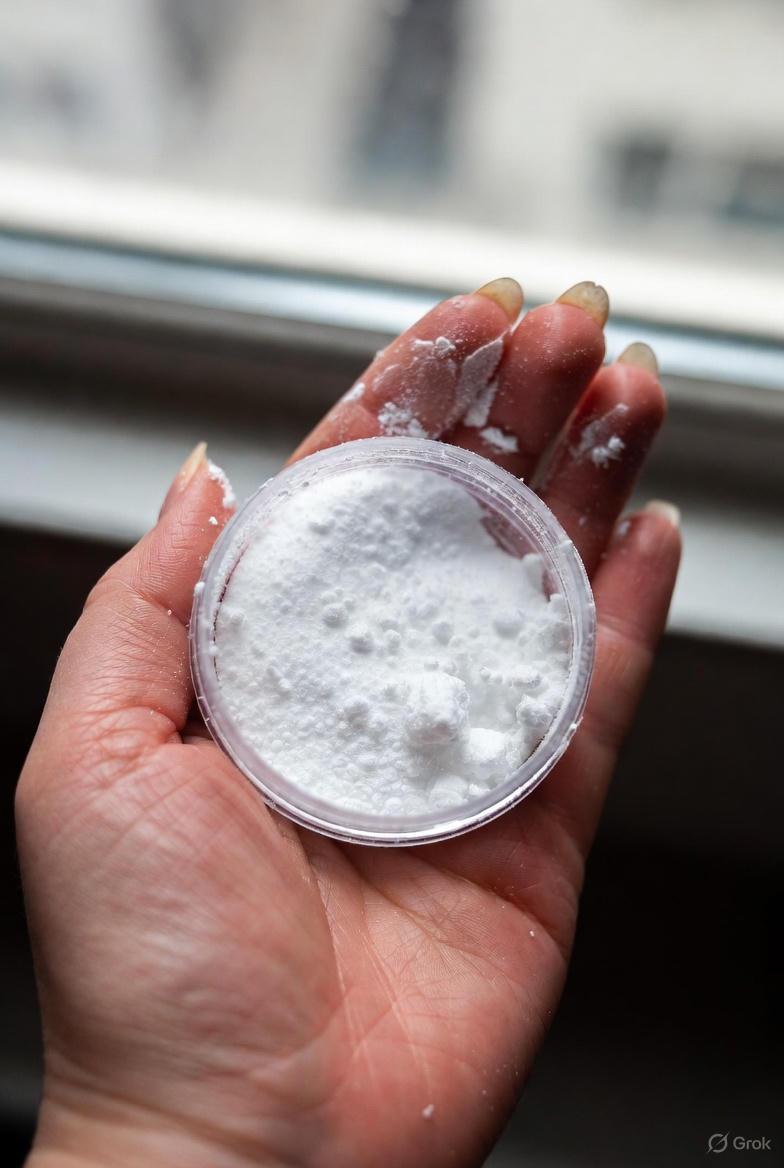
Baking soda, also known as sodium bicarbonate, is a common kitchen staple that’s been around for generations. It’s a mild alkaline compound that can act as a gentle exfoliant when mixed with water, helping to remove dead skin cells from the surface.
But that’s not all. Research from sources like the Journal of Clinical and Aesthetic Dermatology suggests that alkaline substances may influence skin pH, which plays a part in overall skin barrier function. For mature skin, maintaining a balanced pH could support hydration and texture.
Here’s something interesting: While baking soda isn’t a miracle ingredient, some people incorporate it into routines for its potential to promote a fresher appearance. Studies on exfoliation, such as those published in the International Journal of Cosmetic Science, indicate that regular, mild exfoliation can contribute to smoother-feeling skin over time.
Of course, everyone’s skin is different. Factors like sensitivity and existing conditions matter a lot.
Potential Benefits of Baking Soda for Mature Skin
When we hit our 70s, skin often becomes drier and more prone to uneven tone. Baking soda’s properties might help address some of these concerns in a subtle way.
For instance, its exfoliating action could assist in sloughing off buildup, potentially revealing a brighter complexion underneath. A review in the Dermatologic Surgery journal notes that gentle exfoliants can support cell turnover, which slows with age.
Another angle: Baking soda can be used in masks or scrubs to cleanse pores. This might be useful for those dealing with occasional dullness.
But wait, there’s more. Some anecdotal reports from skincare enthusiasts highlight its use in balancing oil production, though this is more relevant for combination skin types.
To keep things grounded, remember that scientific backing is limited to general exfoliation benefits, not specific age-related claims.
Key Considerations Before Trying It
Skin in our 70s tends to be thinner and more delicate. That’s why patch testing is crucial.
Start by mixing a small amount with water and applying to your inner arm. Wait 24 hours to check for any reaction.
If all goes well, proceed with caution. Overuse could disrupt the skin’s natural barrier.
Experts from the American Academy of Dermatology recommend consulting a professional for personalized advice.
Step-by-Step Guide to Using Baking Soda in Your Routine
Ready to experiment? Here’s a simple, actionable approach.
First, gather your materials: You’ll need baking soda, water, and perhaps a gentle oil like coconut or olive for added moisture.
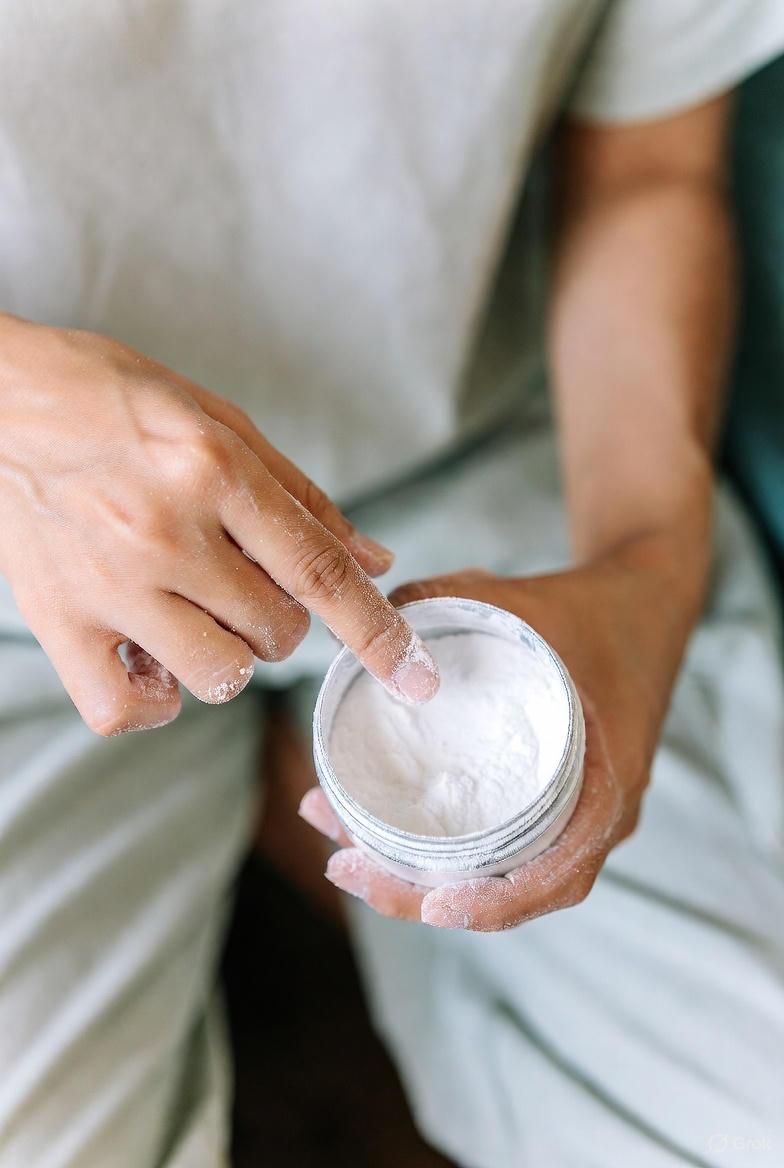
Step 1: Mix one teaspoon of baking soda with two teaspoons of water to form a paste.
Step 2: Apply gently to clean, damp skin using circular motions, avoiding the eye area.
Step 3: Rinse thoroughly after 1-2 minutes.
Step 4: Follow with a moisturizer to lock in hydration.
Do this no more than once or twice a week to start.
And here’s a tip: For extra gentleness, combine it with honey, which has natural humectant properties.
A Gentle Baking Soda Face Mask Recipe
- 1 tablespoon baking soda
- 1 tablespoon plain yogurt (for probiotics that may support skin health)
- A few drops of lemon juice (optional, for brightening, but skip if sensitive)
Mix until smooth, apply for 5-10 minutes, then rinse. This could be a relaxing addition to your evening wind-down.
Always dilute properly to avoid irritation.
Comparing Baking Soda to Other Natural Exfoliants
To help you decide if baking soda fits your needs, let’s look at a quick comparison.
| Exfoliant | Pros | Cons | Best For |
|---|---|---|---|
| Baking Soda | Affordable, readily available, mild alkaline effect | Can be abrasive if not diluted, potential pH disruption | Occasional use on normal skin |
| Sugar | Natural granules, easy to mix | Sticky residue, larger particles | Body scrubs |
| Oatmeal | Soothing, anti-inflammatory properties per studies in Clinical, Cosmetic and Investigational Dermatology | Messy to prepare | Sensitive skin |
| Coffee Grounds | Antioxidant-rich, per research in the Journal of Cosmetic Dermatology | Coarse texture, staining potential | Energizing morning routines |
This table shows baking soda as a budget-friendly option, but oatmeal might be kinder for very mature skin.
The key? Choose based on your skin’s response.
Safety Tips and Common Mistakes to Avoid
Safety first, especially with home remedies.
One common mistake: Using it too frequently, which might lead to dryness.
Instead, listen to your skin. If it feels tight, scale back.
Another pitfall: Combining with harsh acids like vinegar without testing.
Research from the Skin Research and Technology journal emphasizes the importance of pH balance in skincare.
Also, if you have conditions like eczema, this might not be ideal.
But the good news? When used mindfully, it can be a fun way to explore natural options.
Signs It’s Working for You
- Skin feels softer after rinsing
- A subtle glow appears over consistent use
- No redness or discomfort
If you notice these, great. If not, try adjusting the ratio.
Incorporating Baking Soda into a Broader Skincare Plan
Baking soda isn’t a standalone solution. Think of it as part of a holistic approach.
Pair it with sun protection, as UV exposure accelerates aging signs, according to the Journal of Investigative Dermatology.
Hydration is key too. Drink plenty of water and use hyaluronic acid serums.
Exercise and a balanced diet rich in antioxidants support skin from within.
Here’s the exciting part: Combining these habits might amplify the effects of simple ingredients like baking soda.
Studies from Nutrients journal link nutrition to skin vitality.
Real-Life Insights from Users Over 70
While not scientific, hearing from others can be motivating.
Many in online communities report feeling refreshed after trying baking soda scrubs.
One user shared: “It helped my skin look more even-toned after a few weeks.”
Of course, results vary. What’s consistent is the emphasis on gentleness.
This ties back to research on exfoliation’s role in routine maintenance.
Wrapping Up: Your Next Steps
In summary, baking soda offers an accessible way to explore exfoliation for mature skin, potentially supporting a smoother texture and brighter look when used carefully.
Start small, observe, and adjust. It might just become a staple in your cabinet.
Remember, consistency in overall skincare habits makes the difference.
Frequently Asked Questions
What should I do if baking soda irritates my skin?
Stop use immediately and rinse with cool water. Apply a soothing moisturizer. If irritation persists, consult a dermatologist for advice tailored to your skin type.
Can I use baking soda every day for skincare?
It’s generally not recommended for daily use, as it could disrupt your skin’s natural balance. Limit to 1-2 times per week, and always follow with hydration.
Is baking soda suitable for all skin types after 70?
It may work for normal or oily skin but could be too harsh for dry or sensitive types. Patch test first and consider alternatives like finer exfoliants if needed.
This article is for informational purposes only and not intended as medical advice. Always consult with a healthcare professional before trying new skincare ingredients, especially if you have underlying skin conditions.


0 commentaires:
Enregistrer un commentaire